

What Homes Qualify for Sale-Leaseback Programs? (2026)
Maybe you're dealing with mortgage payments that keep getting harder to manage, or you need cash to cover an unexpected expense. You know your home has value, but you're not sure how to access it without uprooting your life. A home sale-leaseback program might be on your radar, and one of the first questions I hear from Arizona homeowners is: does my home even qualify?
Eligibility is often more flexible than people expect. I'm going to walk you through the types of homes that typically qualify, the factors that affect your eligibility, and how lease term flexibility works so you can figure out whether this path makes sense for you.
Key Takeaways: Home Sale-Leaseback Eligibility
- Single-family homes in habitable condition are the most commonly accepted property type for sale-leaseback programs.
- Your equity position matters more than your credit score when it comes to qualifying for a residential leaseback.
- Condos, townhomes, and manufactured homes may qualify depending on the specific provider and local HOA regulations.
- Sell Then Stay AZ offers flexible lease terms from two months up to five years through its Unlock & Stay™ program.
- Properties with liens, code violations, or severe structural damage may still have options worth exploring.
What Is a Home Sale-Leaseback and Why Does Eligibility Matter?
A home sale-leaseback is a transaction where you sell your property for cash and immediately sign a lease to keep living there as a renter. Think of it like converting your equity into money you can use right now, without packing a single box.
Eligibility matters because sale-leaseback companies evaluate properties differently than traditional buyers. They're not just looking at curb appeal or recent upgrades. They need to confirm the property can serve as a long-term rental asset after the purchase closes.
Understanding what qualifies upfront saves you time and helps you focus on the options that actually fit your situation.
Which Property Types Qualify for Sale-Leaseback Programs?
Single-Family Homes
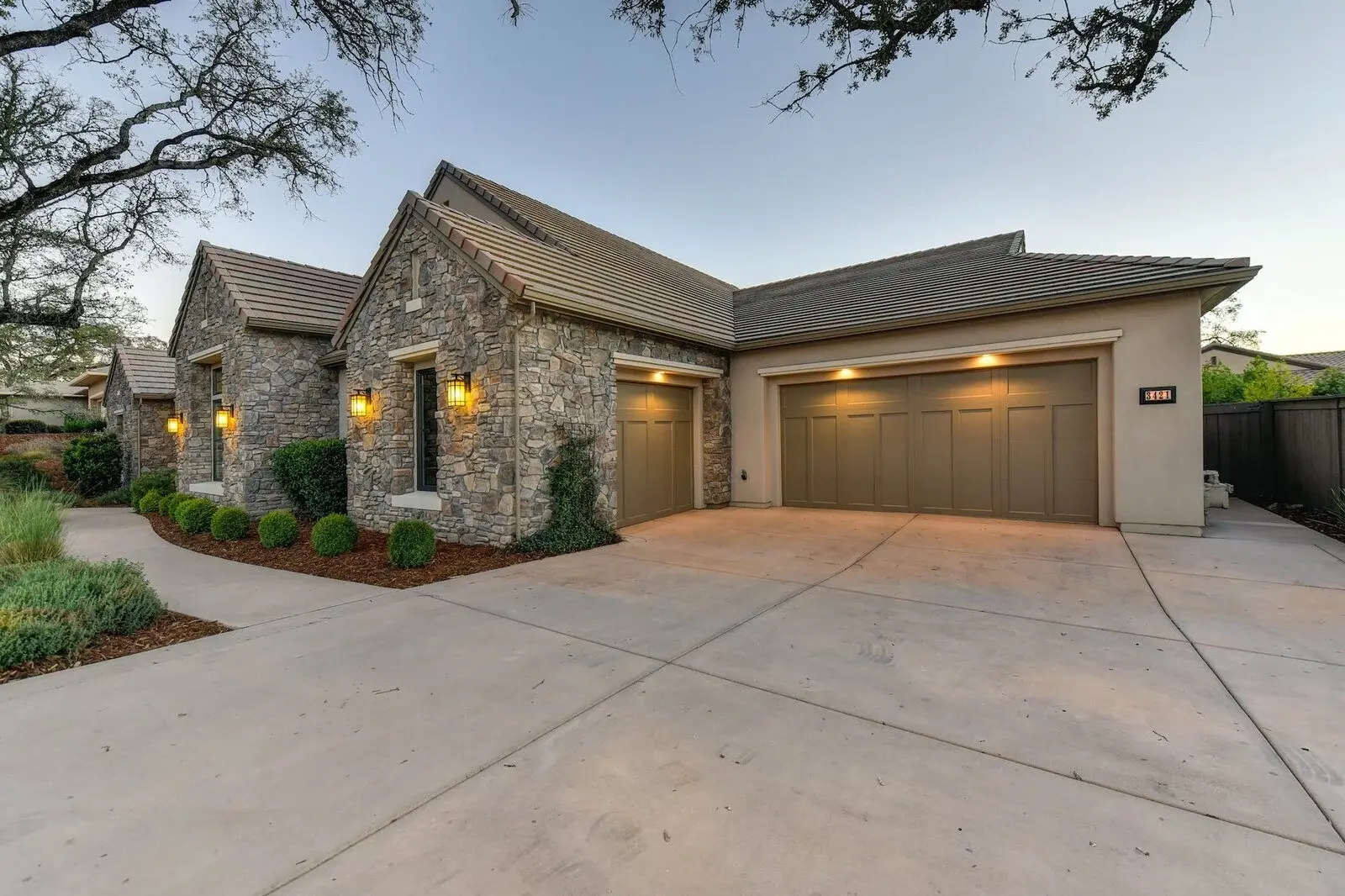
Single-family homes are the most widely accepted property type. If you own a detached house on its own lot, you're looking at the broadest range of options. Most sale-leaseback companies prioritize these properties because they're simpler to manage, easier to finance, and tend to hold their value well over time.
In Arizona, single-family homes in the Phoenix metro area and surrounding communities are especially common candidates. The property needs to be in livable condition, meaning the roof, plumbing, electrical, and foundation should be functional. But "livable" doesn't mean "perfect." Minor cosmetic issues typically don't disqualify you.
Condominiums and Townhomes
Condos and townhomes can qualify, but there's a catch. Many homeowners' associations (HOAs) have rules about investor ownership or rental caps within a community. If the HOA restricts how many units can be renter-occupied, a sale-leaseback company may not be able to purchase your condo.
That said, not every HOA has these restrictions. It's worth pulling up your community's governing documents or calling the management company to ask. If rentals are permitted, your condo or townhome may still be a fit.
Manufactured and Mobile Homes
This is where things get more nuanced. Many sale-leaseback providers exclude manufactured and mobile homes entirely. The reasons vary: financing limitations, depreciation patterns, and the fact that some manufactured homes sit on leased land rather than owned lots.
However, if your manufactured home is permanently affixed to land you own and classified as real property (not personal property) on your county records, some providers will consider it. The distinction between "real" and "personal" property classification matters a lot here.
Rural Properties and Farms
Rural homes and small acreage properties are another area where eligibility varies widely. The farther a property sits from an urban center, the harder it can be to find an investor buyer willing to participate. That's because resale risk increases when the buyer pool is smaller.
If you own a rural home in Arizona, it's still worth having a conversation about your options. Properties closer to growing communities like Maricopa, Casa Grande, or Prescott may qualify where more remote locations may not.
What Factors Affect Your Eligibility Beyond Property Type?
How Much Equity Do You Need?
Your equity position is typically the most important factor. Most programs look for at least 20% to 30% equity in the home. That equity has to cover the transaction costs, leave room for market fluctuations, and still produce a meaningful payout for you.
If you're not sure where you stand, a rough calculation helps: take your home's estimated value and subtract what you still owe on the mortgage. According to ATTOM's Q1 2026 Home Equity Report, over 43% of U.S. mortgaged properties were still equity-rich as of early 2026. Many Arizona homeowners have more equity than they realize.
Does Your Credit Score Matter?
This depends on the provider. Some sale-leaseback companies run a credit check and look for a minimum score around 620, largely to confirm you can afford the monthly rent after closing. Others take a more holistic view.
Sell Then Stay AZ approaches eligibility differently. We look at your financial situation as a whole, not just a credit number. If you've had recent credit struggles, that doesn't automatically mean the door is closed. The Unlock & Stay™ program is designed to work with homeowners in a variety of financial situations.
What About Liens and Title Issues?
If your property has a lien, a tax judgment, or another encumbrance on the title, it doesn't necessarily disqualify you. In many cases, the lien can be paid off from the sale proceeds at closing, the same way an existing mortgage gets settled.
The key is disclosure. Being upfront about any title issues early in the process helps everyone find a workable path forward. If you're dealing with a pending trustee sale or other legal complications, time matters, so starting the conversation sooner rather than later is important.
How Flexible Are Lease Terms in a Sale-Leaseback?
Short-Term Leaseback Agreements
Not everyone needs a five-year lease. Some homeowners are looking for a shorter window, maybe two to six months, so they can get their finances in order, find a new home, or close out a chapter in their lives. Short-term leasebacks give you breathing room without a long commitment.
This type of arrangement works well if you're already planning your next move but need cash now. You sell, stay for a few months, and transition on your own schedule. It's a very different experience from a traditional sale where the closing date often feels like a deadline you can't control.
Long-Term Lease Options
On the other end, some homeowners want to stay put for several years. Long-term leases, often ranging from one to five years, give you stability. You keep living in your home, paying rent instead of a mortgage, and use the sale proceeds however you need to.
Long-term leases tend to work well for homeowners who are avoiding foreclosure, rebuilding their credit, or planning a future move on their own timeline. The predictability of knowing exactly how long you can stay makes a meaningful difference when life feels uncertain.
What Happens When the Lease Ends?
This is a question I hear often. When your lease term is up, you'll typically have a few paths: renew the lease if both parties agree, move out on the agreed date, or in some cases, discuss purchasing the property back.
The terms of what happens at the end should be spelled out clearly in your lease agreement before you sign. If the timeline for moving out feels vague or open-ended, that's something to address before closing. A clear lease agreement protects both you and the buyer.
What If Your Property Doesn't Meet Standard Eligibility Criteria?
Not every home fits neatly into a standard checklist, and that's okay. If your property has structural concerns, is located in a rural area, or doesn't meet typical HOA requirements, it doesn't necessarily mean a sale-leaseback is off the table entirely.
Some providers are more flexible than others. It's worth having an honest conversation about your property's condition and your goals. At Sell Then Stay AZ, we take a personalized approach because every homeowner's situation is different. We've worked with properties that other companies turned away, and the outcome depends on the full picture, not just a single checkbox.
How Sale-Leaseback Eligibility Compares to Other Equity Options
If you're exploring ways to access your home equity, you've probably come across other options like HELOCs, reverse mortgages, or home equity investments. Each comes with its own set of eligibility requirements, and none of them are one-size-fits-all.
A HELOC typically requires strong credit, stable income, and a formal appraisal. A reverse mortgage is limited to homeowners 62 and older. Both keep you as the owner, but they also mean taking on new debt.
A sale-leaseback takes a different path. You give up ownership in exchange for immediate cash and the ability to stay. No new debt, no monthly loan payments. The trade-off is that you become a renter. For homeowners who might not qualify for traditional lending, a leaseback can offer a path forward that other options can't. I've written more about how these alternatives compare.
How Can We Help?
If you're wondering whether your home qualifies, the fastest way to find out is to have a conversation with me. I work with Arizona homeowners every day who are navigating exactly these questions, and I can give you a straightforward answer about your property and your options.
Through the Unlock & Stay™ program, Sell Then Stay AZ purchases your home for cash, with no repairs, no showings, and no waiting. You choose your lease term, and we manage the property from that first phone call through your move-out date.
No pressure, no obligation. If a sale-leaseback isn't the right fit, I'll tell you that too. You can reach out any time to start the conversation.
FAQs About Home Sale-Leaseback Eligibility
Can I qualify for a sale-leaseback if my home needs repairs?
Yes, in many cases. Sell Then Stay AZ buys homes as-is, so you don't need to invest in repairs before selling. As long as the property is safe enough to occupy, cosmetic issues and deferred maintenance typically aren't dealbreakers.
Do condos qualify for residential leaseback programs?
Condos can qualify if the HOA allows investor ownership and doesn't restrict rentals. Not every community permits sale-leasebacks, so checking your HOA's governing documents is an important first step.
What's the minimum equity needed for a sale-leaseback?
Most programs require at least 20% to 30% equity. The equity covers transaction costs and ensures you receive a meaningful payout. Sell Then Stay AZ evaluates each situation individually to find the right structure for your needs.
How long can I stay in my home after a sale-leaseback?
Lease terms vary by provider. With Sell Then Stay AZ's Unlock & Stay™ program, you can choose a lease ranging from two months up to five years. The timeline is flexible and built around your plans.
Does a sale-leaseback affect my credit score?
A sale-leaseback is a home sale, not a loan, so it doesn't add debt to your credit report. In fact, Sell Then Stay AZ's program can help you rebuild your credit by eliminating mortgage debt and giving you cash to pay down other obligations.