Quick Answer: Yes, you can sell your house and stay in it. The most common way is a residential sale-leaseback: you sell your home to a buyer for cash, then sign a lease and keep living there as a renter. You get your equity out without taking on a new loan, but you give up ownership and pay rent going forward. In Arizona, Sell Then Stay AZ offers this through its Unlock & Stay™ program.
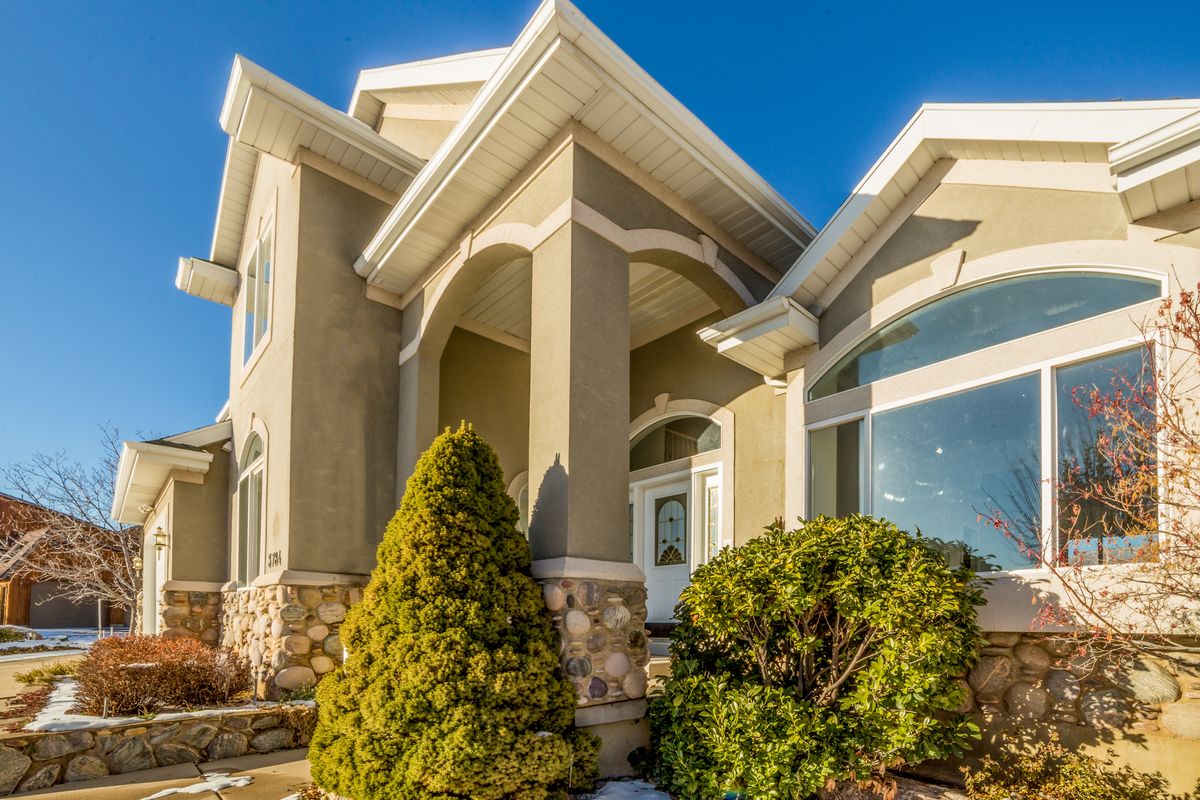
If you have typed "sell my house and stay in it" into a search bar, you are probably in a tough spot that a lot of Arizona homeowners know well. Maybe the bills have piled up. Maybe a loan application was denied. Maybe you simply do not want to uproot your family, your pets, or an aging parent from the home you love. You have equity in the house, but you cannot get to it without moving out or borrowing more.
The good news is that selling your home and living in it afterward is a real option. This guide covers how it works, who it fits, how it compares to a reverse mortgage or a HELOC, and what to watch for before you sign.
How Selling Your House and Staying in It Works
The arrangement is called a sale-leaseback. Businesses have used it for decades with office buildings, and it is now available to everyday homeowners. (Our post Home Sale-Leasebacks: What Are They and How Do They Work? goes deeper.) Here is the basic flow with a company like Sell Then Stay AZ:
- You share details about your home. Address, condition, what you owe on the mortgage, and any liens or back taxes.
- You receive a cash offer. The offer is based on the home's value, its condition, and your payoff amount. There is no obligation to accept.
- You review the lease. Before closing, you see the monthly rent, how long the lease runs, how renewals work, and who handles repairs. Read every line and ask questions.
- You close and get paid. Your mortgage and any liens are paid off at closing. The remaining equity goes to you as cash. The deed transfers to the buyer.
- You keep living there. You now pay rent instead of a mortgage, property taxes, and insurance. Your furniture never moves.
Most sale-leasebacks close in a few weeks. Because it is a sale rather than a loan, there is usually no credit score or income requirement, which is why it appeals to people who have been turned down for refinancing.
Ready to see what your home could unlock? Request a no-obligation cash offer from Sell Then Stay AZ.
Who a Sell-and-Stay Arrangement Fits
This option is not for everyone, and a good company will tell you that. It tends to fit homeowners who:
- Have meaningful equity but need cash now for debt, medical bills, taxes, or a family emergency.
- Are behind on their mortgage and want to avoid a trustee sale while keeping a roof over their heads. (See our guide on selling before a trustee sale in Arizona.)
- Have been denied a HELOC or cash-out refinance because of credit, income, or age.
- Are retired on a fixed income and feel "house rich, cash poor."
- Want to stop paying for repairs, property taxes, and insurance on an older home.
- Need time to plan a move on their own schedule rather than a lender's.
It fits less well if you expect to live in the home for many more years and want to keep building equity, or if the rent would strain your budget as much as the mortgage did. We cover the decision in more depth in Should I Sell My House and Rent It Back in Arizona?
Sale-Leaseback vs. Reverse Mortgage vs. HELOC vs. Selling and Moving
Here is a plain comparison of the four main ways Arizona homeowners tap equity. Details vary by company and lender, so treat this as a starting point.
| Feature | Sale-leaseback (sell and stay) | Reverse mortgage (HECM) | HELOC / cash-out refi | Sell and move |
|---|---|---|---|---|
| Do you still own the home? | No | Yes | Yes | No |
| Do you stay in the home? | Yes, as a renter | Yes | Yes | No |
| New debt? | No | Yes, a loan repaid when you leave or pass away | Yes, monthly payments | No |
| Age requirement | None | 62 or older | None | None |
| Credit / income check | Usually none | Financial assessment required | Yes | None |
| How fast? | Weeks | Typically 1–2 months, includes HUD counseling | Weeks to a month or more | Varies; months on the open market |
| Ongoing cost | Monthly rent | Taxes, insurance, upkeep; interest accrues | Loan payments plus taxes, insurance, upkeep | Housing costs at your new place |
| Future appreciation | Goes to the buyer | Yours, minus loan balance | Yours | None |
A reverse mortgage keeps you on the deed, but you must be at least 62, complete HUD-approved counseling, and keep paying taxes, insurance, and maintenance; falling behind on those can make the loan come due. A HELOC keeps ownership too, but it is new debt with a credit and income check. Read our posts on reverse mortgage pros and cons and HELOC vs. selling your home for more.
Costs and What to Watch For
We believe in being upfront about the trade-offs. Here is what to weigh honestly:
- You no longer own the home. The deed transfers at closing. If the home goes up in value later, that gain belongs to the new owner. If you want the option to buy it back, that must be written into your agreement.
- You pay rent. Rent should be clearly stated before closing, along with how and when it can change. Make sure the number fits your monthly budget with room to spare.
- Lease length and renewals. Know how long the lease lasts, whether you can renew, and what happens if you want to leave early.
- Fees. Companies may charge a transaction or processing fee, and there are normal closing costs. Ask for every fee in writing and compare it to the commissions and repairs you would pay in a traditional sale.
- Repairs and maintenance. Who fixes the air conditioner in July? Get it in writing.
- Consumer protections differ. Because a sale-leaseback is a sale, not a loan, it is not covered by mortgage lending rules such as Truth in Lending disclosures. That makes reading your contract, and asking a professional to read it with you, even more important.
None of this is legal, tax, or financial advice. Before you sign, talk to a licensed advisor, attorney, or HUD-approved housing counselor about your situation. Our post 5 Questions to Ask When Considering a Residential Sale-Leaseback gives you a checklist to bring to that conversation.
Selling and Staying in Phoenix and Across Arizona
Home values across Maricopa County rose sharply over the past decade, so many longtime owners in Phoenix, Mesa, Chandler, Glendale, and Scottsdale have equity they cannot easily reach, while insurance, HOA dues, and summer cooling costs squeeze a fixed income. A few Arizona-specific points to know:
- Your lease is governed by the Arizona Residential Landlord and Tenant Act (A.R.S. Title 33, Chapter 10). It sets rules on security deposits, repairs, notice periods, and more. The Arizona Attorney General and the state legislature publish the full text online.
- Arizona uses non-judicial trustee sales, which can move quickly once a notice is recorded. If you are behind on payments, acting early gives you the most options.
- Local presence matters. Sell Then Stay AZ is based in the Phoenix area and works with homeowners across the Valley and in Tucson.
Frequently Asked Questions
Can I really sell my house and stay in it, or is this a scam?
Sale-leasebacks are a legitimate, legal type of real estate transaction used by businesses and homeowners alike. That said, any deal involving your home deserves care. Work with a company that puts every term in writing, uses a licensed title and escrow company, and encourages you to have an advisor review the contract. Our post on preventing foreclosure scams explains the warning signs to avoid.
How long can I stay after I sell?
It depends on your lease. Some arrangements are short-term, giving you a few months to plan a move. Others run a year or longer with renewal options. Decide how long you want to stay before you request offers, and make sure the lease matches.
Will I get full market value for my home?
Cash offers from any investor are usually below what a home might fetch after months on the open market, because the buyer takes on repairs, holding costs, and risk. In exchange you get speed, certainty, no showings, no repairs, and the ability to stay. Compare the net amount you would walk away with under each option, not just the headline price.
Can I buy my house back later?
Some agreements include a repurchase option and some do not. If buying back matters to you, ask for the terms in writing before closing, including the price formula and the deadline.
What happens to my mortgage?
Your mortgage, along with any recorded liens or past-due property taxes, is paid off from the sale proceeds at closing. What remains is your cash. If you owe more than the home is worth, a sale-leaseback may not work, and you should talk to your lender about other options.
Take the Next Step
Selling your house and staying in it can turn stuck equity into breathing room without packing a single box. It is not right for everyone, but for many Arizona families it lets them keep their home and their neighborhood while they get back on solid ground.
Learn more about how the Unlock & Stay™ program works, or request a no-obligation cash offer from Sell Then Stay AZ today. There is no cost to ask, and no pressure to accept.